
Pigmentation Laser Picosure and Picotoning Effects: What Is the Difference, and Are They Different from Fraxel?
Pigmentation Laser Picosure and Picotoning Effects: What Is the Difference, and Are They Different from Fraxel?
| From Melasma and Freckles to the Differences Between Picosure, Picotoning, and Fraxel
If melasma, freckles, and dark spots are the first things you notice whenever you look in the mirror, your skin tone may still look dull even when covered with makeup. In these cases, many people look up Picosure and Picotoning together, but because the names sound similar, it is easy to confuse the difference.
In this article, we will summarize why pigmentation lesions should not be left untreated, the difference in effects between Picosure and Picotoning, the types of tone-up pigmentation treatments, how they differ in purpose from Fraxel, and aftercare precautions after treatment.

Picosure · Picotoning · Pigmentation Laser Key Preview
- Pigmentation lesions— Melasma, freckles, and dark spots have different causes and depths, so it is difficult to view them all in the same way
- Caution against leaving them untreated— When pigmentation repeats, the skin tone can look uneven and the treatment period may become longer
- Laser distinction— Picosure is viewed as a method that breaks pigment into fine particles with short pulses, while Picotoning is viewed as a method that refines tone with low energy
- Condition-based approach— Depending on the type and depth of pigmentation and skin sensitivity, Picosure, Picotoning, toning, and Genesis are planned separately
- Important point —For pigmentation treatment, the standard is not which device is superior, but separating the depth of the lesion and the skin response
1. Why Should Melasma, Freckles, and Pigmentation Lesions Not Be Left Untreated?
Melasma, freckles, and dark spots may become darker when several factors overlap, such as UV exposure, hormonal changes, post-inflammatory hyperpigmentation, and skin irritation. Although they may look similar on the surface, the depth and pattern of pigmentation can differ.
If pigmentation lesions are left for a long time, they may look more noticeable depending on the season, UV exposure, and skin friction. Especially for recurrent pigmentation such as melasma, it is important to reduce aggravating factors and control it consistently rather than approaching it as something to remove in a short period.
3 Things to Check Before a Pigmentation Laser Consultation
① Pigmentation type— First, distinguish whether it is melasma, freckles, dark spots, or post-inflammatory hyperpigmentation.
② Pigmentation depth— The treatment direction changes depending on whether it is epidermal pigmentation or whether deeper pigmentation is mixed in.
③ Skin sensitivity— Energy level and interval are adjusted depending on redness, dryness, and recent treatment history.
2. Picosure vs. Picotoning: How Are the Effects Different?
Picosure and Picotoning are both lasers discussed for pigmentation and skin tone management. However, because the irradiation method, energy operation, and expected check points are different, they should be interpreted according to the condition of the lesion.
| Category | Picosure | Picotoning |
|---|---|---|
| Main Principle | A method that uses short picosecond pulses to finely break pigment particles | A method that broadly irradiates with low energy and repeatedly manages dull tone and light pigmentation |
| When It Is Discussed | When dark spots, freckles, localized pigmentation, or stubborn pigmentation are a concern | When overall facial tone, melasma-like pigmentation, dullness, or light dark spots are a concern |
| Check Points | Temporary redness, scabbing, and pigmentation reaction may occur, so UV protection is important | Repeated management is the basis, and if the skin is sensitive, energy adjustment and interval checking are needed |
| Decision Criteria | Reviewed when pigmentation is relatively clear and targeted treatment is needed | Reviewed when broad tone refinement and melasma-like pigmentation management are needed |
For Picosure and Picotoning, purpose-based distinction comes before superiority.
Picosure is often viewed for targeting clear pigmentation, while Picotoning is viewed as a flow that calmly controls broad tone and melasma-like pigmentation. Rather than concluding that one is always better, it is selected according to the pigmentation pattern.
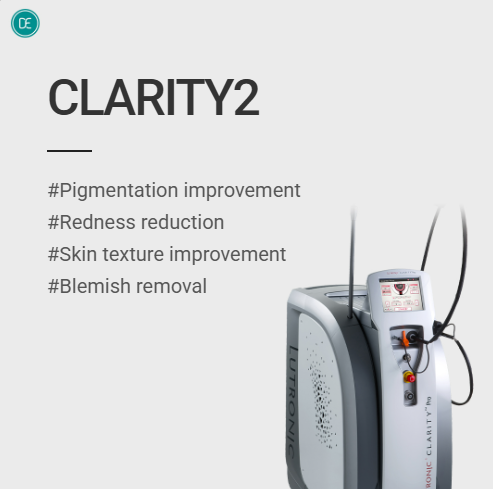
3. BEST 4 Tone-Up Pigmentation Treatments
Pigmentation treatment is planned while looking at the clarity of dark spots, whether melasma is present, skin tone, and sensitivity together.
Picosure
Picosure is a laser that finely breaks down pigment particles with short pulses. It is discussed when focusing on clear dark spots, freckles, and localized pigmentation.
Picotoning
Picotoning is a method that broadly irradiates with low energy to repeatedly refine skin tone and light pigmentation. Even when melasma-like pigmentation is mixed in, it is planned while checking the condition.
Laser Toning
Laser toning is a method that repeatedly irradiates melanin pigment with low energy. It is discussed when the skin tone is uneven or pigmentation is broadly distributed.
Genesis Laser
Genesis laser is a method that uses heat stimulation to look at tone, redness, and texture management together rather than giving strong irritation to the skin surface. Sensitive skin needs intensity adjustment.
“Pigmentation treatment is not about which laser is stronger, but which pigmentation is being treated at which depth first.”
— That is why Picosure, Picotoning, Laser Toning, and Genesis Laser are best planned after checking the pigmentation pattern and skin response.
4. How Should We Understand the Difference Between Toning and Fraxel?
Toning and Fraxel both have lasers in common, but their purposes are different. Toning focuses on pigmentation and tone refinement, while Fraxel induces skin surface regeneration and looks at pores and acne scars.
| Category | Toning | Fraxel |
|---|---|---|
| Main Purpose | Repeatedly manages melasma, dark spots, freckles, and dull tone | Discussed for the purpose of improving pores, acne scars, and rough texture |
| Treatment Response | Redness and dryness often pass relatively lightly | Scabbing, pigmentation, redness, and temporary downtime may be more noticeable |
| Treatment Target | When pigmentation is broadly distributed or the skin tone looks dull | When indented scars, enlarged pores, and uneven skin texture are a concern |
| Selection Direction | If pigmentation and tone are the main concerns, check toning-type treatments first | If pore reduction and acne scar improvement are the main concerns, review Fraxel |
Fraxel has a different purpose from pigmentation toning
Fraxel is a laser that induces a regenerative response through microscopic thermal damage, and it is often discussed for pore and acne scar management. Its approach is different from toning, which repeatedly refines pigmentation itself with low energy.
The key is first separating whether pigmentation is the concern or pores and scars are the concern, then matching the laser purpose.
5. What Are the Precautions After Toning Treatment?
After toning, the skin may temporarily feel red or dry. For pigmentation care, UV protection, moisturizing, and heat stimulation control are as important as the treatment itself.
During a Pigmentation Laser Consultation Before Treatment
It is best to check the pigmentation type and skin condition first.
Melasma, freckles, dark spots, and post-inflammatory hyperpigmentation may have different treatment directions from what they look like on the surface. Redness and the skin barrier condition should also be checked together.
For safe care, recent laser treatments, peeling, whitening product use, and history of dermatitis should be checked together. After treatment, it is best to temporarily avoid activities that increase heat, such as sauna use, alcohol, and high-intensity exercise.
Aftercare After Treatment — Precautions After Toning
| Category | What to Check | Care Direction |
|---|---|---|
| Heat Stimulation Care | Saunas, hot compresses, and hot baths can stimulate redness and pigmentation reaction | Reduce excessive heat exposure for the first few days |
| Alcohol · Exercise | Alcohol and high-intensity exercise can increase heat sensation and redness | Start with light activity after the skin has stabilized |
| Moisturizing Care | If dryness occurs, the barrier can become sensitive, so maintain moisture | Temporarily control irritating whitening products and scrubs |
| Abnormal Reactions | Severe stinging, blisters, discharge, skin color changes, or persistent heat sensation need to be checked | Contact the clinic if discomfort becomes worse |
Pigmentation reaction is also connected to lifestyle care after treatment
After toning, the skin needs time to stabilize. If you pay attention to moisturizing, UV protection, and heat stimulation control, you can calmly monitor redness and dryness.
In These Cases, a Pigmentation Laser Consultation May Be Needed
- Melasma and dark spots look increasingly darker
- Freckles and dark spots look widely spread
- You want to know the difference between Picosure and Picotoning
- Your skin tone looks dull and blotchy
- You wonder whether Fraxel or toning is more suitable for your purpose
If two or more apply, a consultation that checks both pigmentation type and skin sensitivity may be needed.
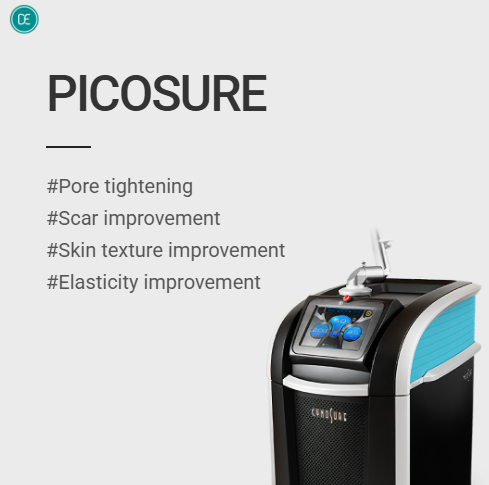
6. Picosure FAQ: Frequently Asked Questions
Q1. What kind of laser is Picosure?
Picosure is a laser that delivers energy to pigment particles using short picosecond pulses. It is mentioned in consultations for pigmentation lesions such as dark spots, freckles, and tattoo pigment.
Q2. Are Picosure and Picotoning the same treatment?
They are discussed within the same pigmentation laser category, but their purposes and irradiation methods are different. Picosure often focuses on clear pigmentation targets, while Picotoning focuses on broad tone refinement and repeated management.
Q3. Is Picosure better than Picotoning?
It is difficult to say that one is always better than the other. The suitable direction differs depending on the depth and range of pigmentation, whether melasma is present, and skin sensitivity.
Q4. What is the difference between Fraxel and toning?
Toning mainly looks at pigmentation and tone refinement, while Fraxel mainly looks at pore reduction, acne scars, and skin texture improvement. Because their purposes are different, it is difficult to compare them by the same standard.
Q5. Can I return to daily life immediately after Picosure?
Individual differences exist, but temporary redness, stinging, and fine scabbing may occur. It is important not to rub the treated area and to maintain moisturizing and UV protection.
Dr.Evers Clinic is currently offering a Picosure promotion.
* Promotion period and benefits may change.
Book an Appointment at Dr.Evers Clinic
A nationwide dermatology clinic network with 34 branches across Korea
#Picosure #Picotoning #PigmentationLaser #LaserToning #DrEversClinic
Conclusion: It Is Best to Distinguish According to the Condition.
Pigmentation concerns are difficult to decide with only one laser name. Clear dark spots and freckles, broad melasma-like pigmentation, and dull skin tone may each require a different approach.
Picosure, Picotoning, Laser Toning, and Genesis Laser have different purposes. The basic standard is to first check the type and depth of pigmentation and skin sensitivity, then manage it in the necessary order.
Please Note.
#. Responses and treatment direction may vary depending on each individual’s pigmentation depth, skin tone, UV exposure, skin sensitivity, and lifestyle habits.
#. This article is for general informational purposes only, and whether to proceed with treatment should be decided after consultation with medical staff.
Recommended Articles
- XERF Lifting vs. Thermage: Differences, Longevity, Pain Level, and Treatment Planning
- Salivary Gland Botox vs Masseter Botox: What’s the Difference? How to Manage Bad Breath After Salivary Gland Botox
- Underarm Shadow Removal: Laser Hair Removal vs. Waxing vs. Shaving and How the Results Differ
- LHALA Peel vs Aqua Peel: Which Is Better for Brightening Dull Skin?