

How Many Pico Toning Sessions Are Needed, and Why Are Around 10 Sessions Often Recommended?
How Many Pico Toning Sessions Are Needed, and Why Are Around 10 Sessions Often Recommended?
| If You Are Unsure How Many Sessions You Need, This Guide Can Help
One of the most common questions we hear from patients new to Pico Toning is, “How many sessions do I need?”
Without a general guideline for the number of sessions, it can be difficult to know whether to stop midway or continue treatment.
This article explains why around 10 Pico Toning sessions are commonly recommended and what treatment interval may be appropriate.

Pico Toning Key Takeaways
- Pico Toning uses a 1064 nm picosecond laser to target pigmentation, and around 10 sessions are commonly used as a general treatment benchmark.
- The commonly recommended 1–2 week interval takes into account skin recovery and the process of pigment clearance.
- Maintaining consistent treatment intervals from start to finish can support more effective treatment planning.
- Consistent sun protection and moisturizing before and after treatment may help support better visible results.
1. How Pico Toning Works
Pico Toning delivers laser energy in pulses that are much shorter than nanosecond pulses.
The short pulse duration allows the laser to target pigment while reducing thermal exposure to surrounding tissue.
It uses a 1064 nm wavelength that targets melanin pigment within the skin.
It is commonly used for pigmentation concerns that can make skin tone appear uneven, such as melasma, dark spots, and hyperpigmentation.
What Is Melanin?
Melanin is the pigment that helps determine skin color. When it is unevenly distributed, it may appear as concerns such as melasma, dark spots, or hyperpigmentation.
Check Point: Consider how evenly melanin appears to be distributed across your skin.
2. Recommended Number of Pico Toning Sessions and Why
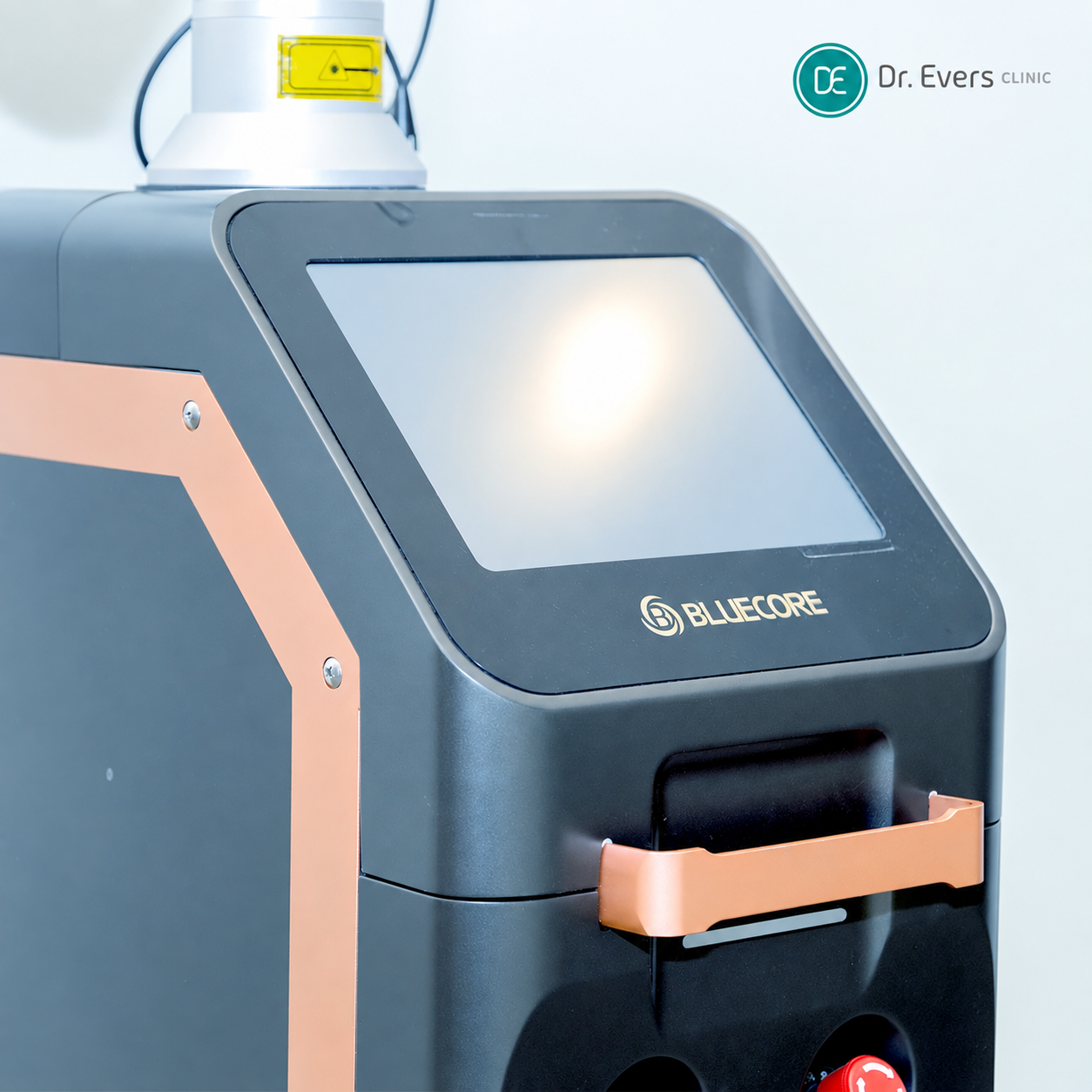
Pico Toning is commonly planned as a course of around 10 sessions.
Because the depth and distribution of pigmentation vary by individual, one or two sessions may not be enough to achieve sufficient improvement.
Repeated treatment over multiple sessions may be needed so that targeted pigment can gradually break down and be cleared by the body.
However, 10 sessions are only a general benchmark and may vary depending on skin condition and the severity of pigmentation.
| Number of Sessions | Main Pico Toning Goal | What to Monitor |
|---|---|---|
| 1–3 Sessions | Assess skin condition and early response | Any irritation or adverse response |
| 4–7 Sessions | Continue pigment breakdown and clearance process | Degree of pigmentation change |
| 8–10 Sessions | Overall improvement in pigmentation tone | Determine whether further treatment is needed |
3. How Pico Toning Treatment Intervals Are Determined
Pico Toning is commonly recommended at intervals of 1–2 weeks.
This interval allows time for post-treatment skin irritation to settle and for the pigment-clearance process to continue.
If sessions are repeated too frequently, skin irritation may accumulate; if intervals are too long, treatment continuity may be reduced.
For this reason, both facial and body Pico Toning are generally planned at 1–2 week intervals.
| Category | Recommended Pico Toning Interval | Precautions |
|---|---|---|
| Face | 1–2 Weeks | Maintain strict sun protection |
| Body | 1–2 Weeks | Minimize friction and irritation |
| When Reassessment Is Needed | Adjust based on individual condition | Consider current skin condition |
4. Who May Be Suitable for Pico Toning
Pico Toning may be considered for a wide range of pigmentation-related skin concerns.
It may be considered especially for those who were not satisfied with previous pigmentation treatments, have widespread melasma or hyperpigmentation, or want to improve overall skin tone.
It may also be used in some cases of sensitive skin, but suitability varies by individual skin condition, so a thorough consultation is recommended before treatment.
It may sometimes be combined with treatments such as Pico Fraxel, Erbium Glass Laser, or Skin Scrubber treatment, with the combination plan determined after consultation.
What Is Hyperpigmentation?
Hyperpigmentation is an excess accumulation of melanin in the skin and may contribute to melasma, dark spots, and a dull or uneven skin tone.
Check Point: Consider how widely the pigmentation is distributed across the treatment area.
5. Pico Toning Before-and-After Precautions
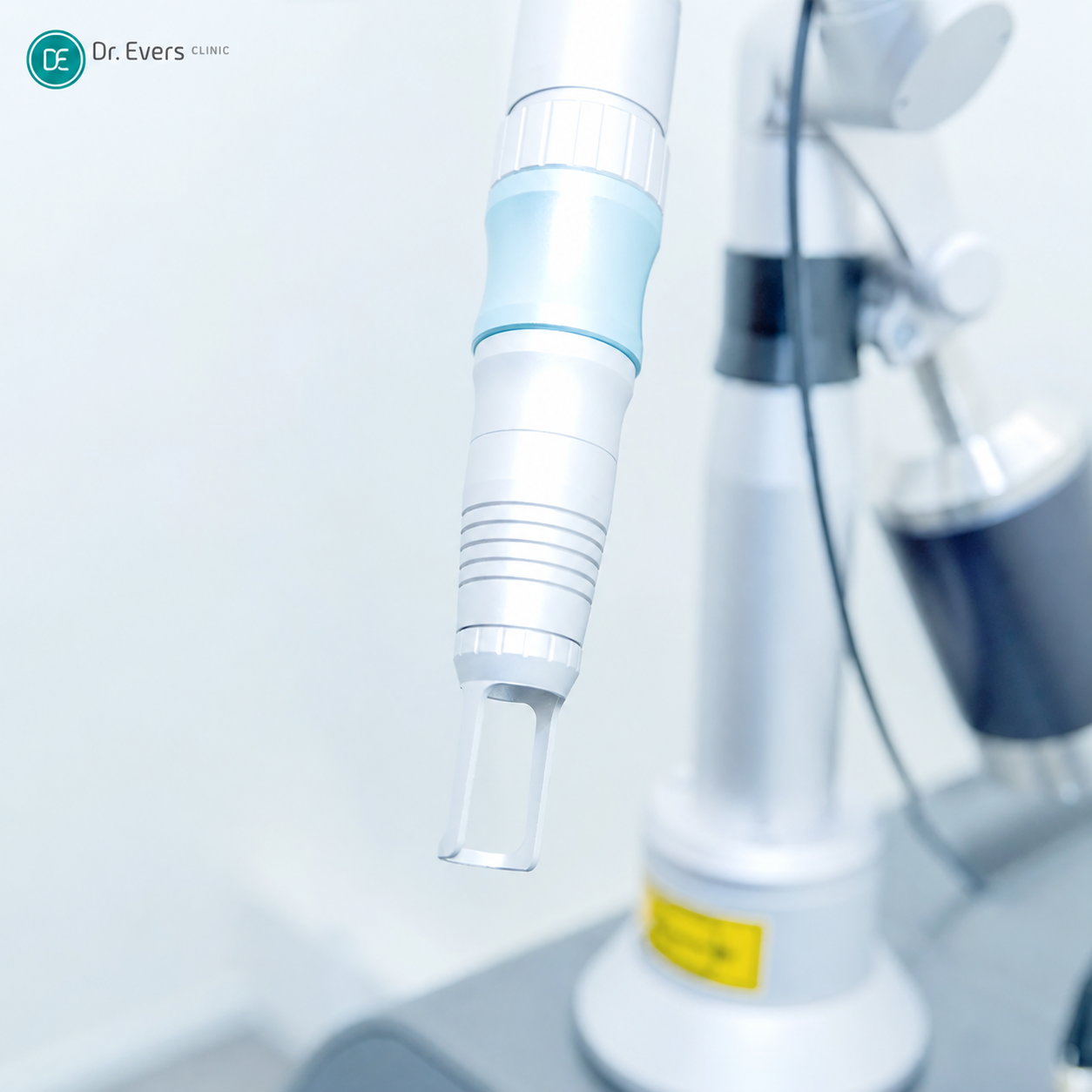
For about one week after treatment, it is recommended to avoid alcohol, smoking, saunas, and strenuous exercise.
Avoid rubbing or otherwise irritating the treated area.
Applying moisturizer and sunscreen carefully after treatment can help protect the skin.
Cleansing and makeup are generally possible on the day of treatment, but strong friction and irritating products should be avoided.
| Item | Recommendations After Pico Toning |
|---|---|
| Avoid Alcohol / Smoking | For about 1 week after treatment |
| Sauna · Hot Bath · Strenuous Exercise | Avoid for about 1 week after treatment |
| Sunscreen | Apply thoroughly every day |
| Cleansing · Makeup | Generally possible on the same day; avoid products or techniques that cause strong friction |
| Irritation of the Treated Area | Avoid rubbing |
6. Pico Toning FAQ: Frequently Asked Questions
Q. Do I Have to Complete All 10 Pico Toning Sessions?
Ten sessions are a general recommendation and may be adjusted depending on individual skin condition and pigmentation severity.
The appropriate number of sessions should therefore be determined through consultation.
Q. Will I See Faster Results If I Get Pico Toning More Often Than Every 1–2 Weeks?
If the interval is too short, irritation may accumulate before the skin has recovered and place unnecessary stress on the skin.
Following the recommended interval is more important for effective treatment management.
Q. Is Pico Toning Applied to the Body in the Same Way as the Face?
For both the face and body, a general guideline of 1–2 week intervals and around 10 sessions is commonly used.
However, skin thickness and sensitivity vary by area, so treatment settings may differ depending on individual condition.
Q. Can Pico Toning Be Combined with Other Treatments During the Course?
It may sometimes be combined with treatments such as Skin Scrubber treatment, Pico Fraxel, or Erbium Glass Laser.
Whether treatments should be combined and in what order should be determined after consultation.
Q. What Happens If I Am Exposed to UV Rays on the Day of Pico Toning?
Immediately after treatment, the skin may be more sensitive to UV exposure than usual, so thorough sunscreen application is important.
Repeated UV exposure may contribute to new pigmentation, so consistent daily sun protection is important after treatment.
Q. Can Pico Toning Be Used on Sensitive Skin?
Pico Toning is designed to reduce thermal impact on surrounding tissue and may be used in some cases of sensitive skin.
However, sensitive skin varies greatly by individual, so skin assessment and a thorough consultation should come first.
Conclusion
Understanding the general guideline of around 10 Pico Toning sessions at 1–2 week intervals can make treatment planning easier.
Because pigmentation improvement is not an overnight process, consistently maintaining the planned treatment intervals and number of sessions is key.
Following pre- and post-treatment precautions together with consistent sun protection can support more effective management, so it is recommended to plan treatment after a thorough consultation.
References
1. Hamid M.. (2026). Comment on: Comparison of 1064‐nm Picosecond and Q‐Switched Neodymium‐Doped Yttrium Aluminum Garnet Lasers for Melasma in Asian Women: A Randomized Double‐Blind Split‐Face Trial. Journal of cosmetic dermatology.
https://europepmc.org/article/PMC/PMC13538807
2. Aljoaib NN, Baltoyour A, Al-Sharif M, Salem HE, Alsharif SM, Alzahrani SJ, Alotbi TH, Maghazel RH, Alqarni OS, Alsayed SA, Alkhalagi RF, Najmi EA, Altowerki BA, Alluhaibi ST, Alrehaili LA.. (2026). Efficacy and Safety of Laser-Based Therapies for Melasma: A Systematic Review and Meta-Analysis.. Cureus.
https://doi.org/10.7759/cureus.106154
3. Kwon S, Bang J.. (2026). Longitudinal Imaging Patterns Following an Imaging‐Guided Dual‐Axis Picosecond Nd:YAG Protocol for Facial Hyperpigmentation. Journal of cosmetic dermatology.
https://europepmc.org/article/PMC/PMC13494055
4. Rutnin S, Smitthisakda S, Wittayabusarakam N, Yongpisarn T, Sakpuwadol N, Thadanipon K.. (2026). Efficacy of 1064-nm Picosecond Laser in the Treatment of Lichen Planus Pigmentosus: A Split-Face Randomized Controlled Trial.. Journal of cosmetic dermatology.
https://doi.org/10.1111/jocd.70846
This article was prepared based on in-clinic clinical information and the references listed above. Treatment suitability and results may vary depending on individual constitution, lifestyle habits, and skin condition. Please consult a medical professional for an accurate assessment.
Dr.Evers Clinic is currently offering Pico Toning promotions.
* Promotion dates and benefits are subject to change.
Book an Appointment at Dr.Evers Clinic
Dr.Evers Clinic Network with 30+ Branches Across South Korea
Recommended Articles
- Concerned About a Low Nose Bridge? How Nose Filler Can Change Your Overall Impression
- Lost Weight but Still Have a Double Chin? Liftera 2 Benefits for Double Chin Improvement and Its Lifting Mechanism
- InMode FX for a Less-Defined Jawline: What Benefits Can You Expect?
- Rejuran Healer Benefits, Mechanism, Precautions, and Pain: How Can Treatment Be Made More Comfortable?
Please Note.
#. Individual results may vary.
#. Please do not self-diagnose based on this article. We recommend receiving a medical consultation before establishing a diagnosis and treatment plan.
Author and Medical Review Information
 |
Dr.Evers Clinic Medical Team This is the medical team at Dr.Evers Clinic. |
Medical Information Notice
The treatment and care information in this article is based on general medical knowledge, and results may vary depending on individual body condition, skin condition, and health factors. Whether to proceed with treatment should always be decided through consultation with a dermatology medical professional. This post does not recommend any specific treatment and is not a substitute for medical diagnosis.